Säätiö
Fuugin säätiö on yhdistyksestä erillinen järjestö, joka perustettiiin rahastoimalla FUUG ry:n Eunetin myynnistä saamoja varoja miljoona markkaa. Säätiö jakaa vuosittain apurahoja avoimen lähdekoodin kehittämiseksi.
Yhdistys
Suomen Unix-käyttäjäin yhdistys FUUG ry on perustettu vuonna 1984 ja on näin Suomen vanhin avoimien järjestelmien käyttäjien yhdistys.
Hae apurahaa
Fuugin säätiö jakaa apurahoja avointen tietojärjestelmien edistämiseksi.
Ajankohtaista
SkosmosR: Making Open Vocabularies Easier to Use in R
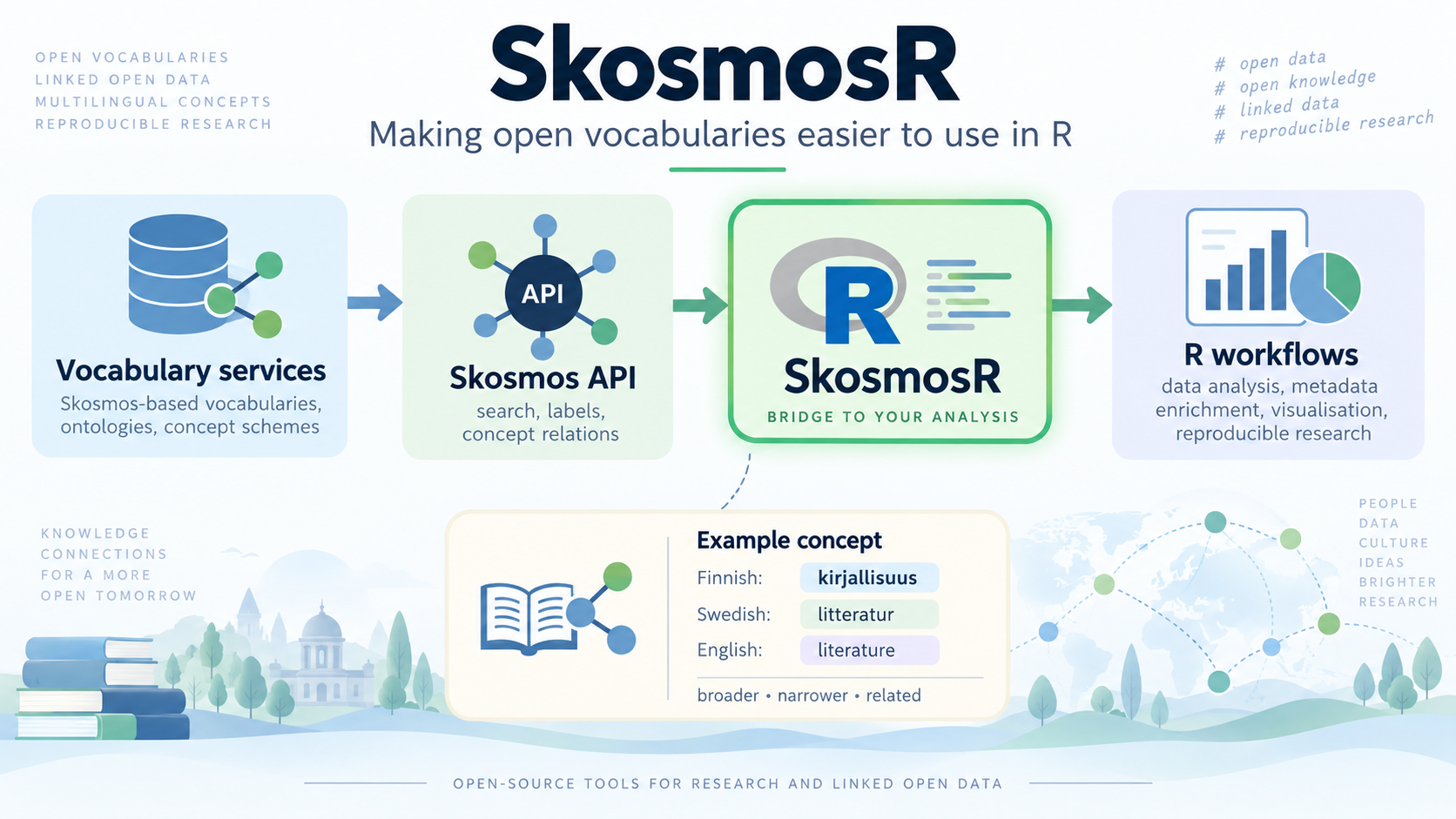
Open vocabularies and ontologies help researchers, libraries, museums, archives, and public organisations describe and connect information in a consistent way. In Finland, services such as Finto provide access to many important vocabularies and ontologies. SkosmosR is a new open-source R package that will make it easier to use these resources directly from the R programming environment. Many vocabulary services are…
KORPUS: Sharing the Tools for Measuring and Studying Pain
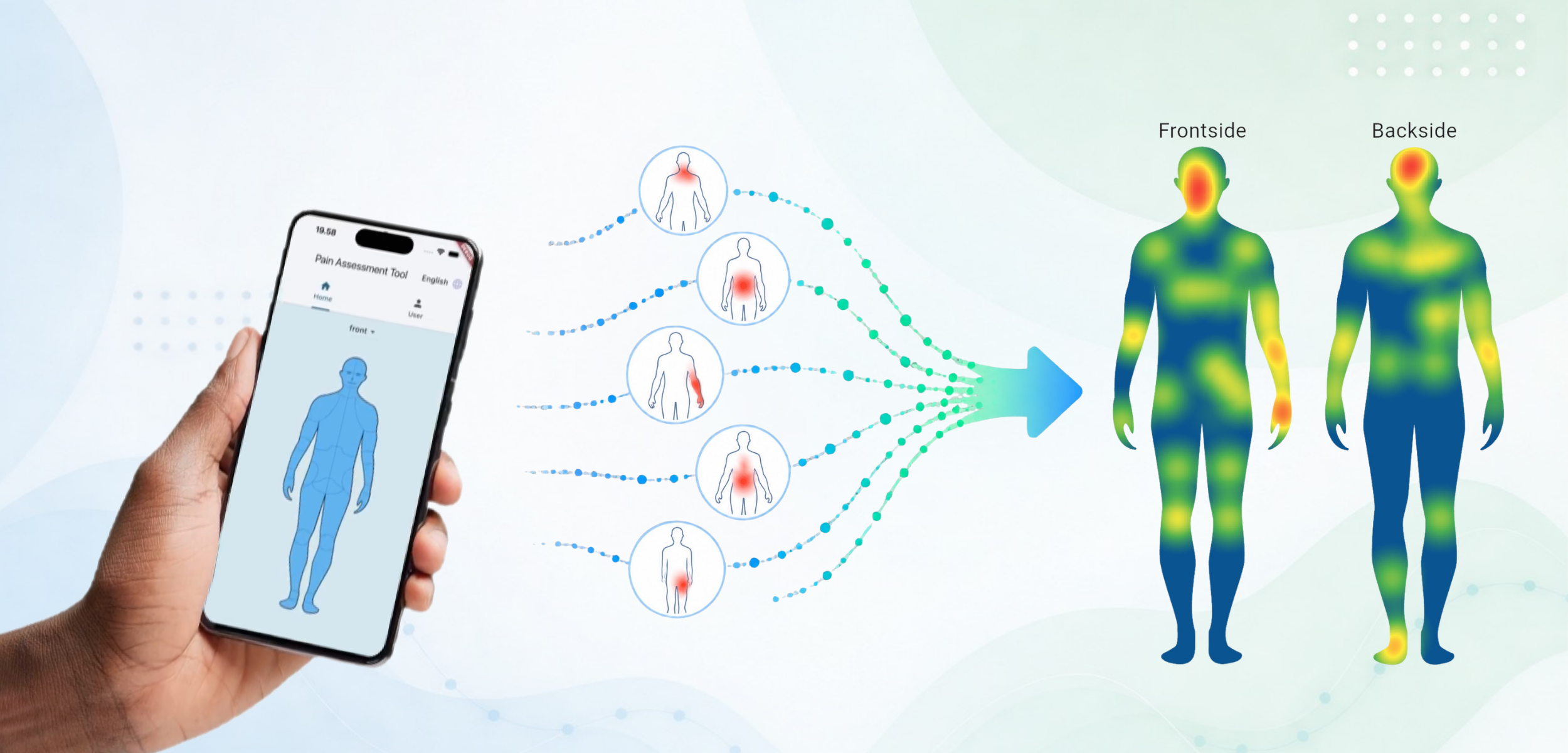
KORPUS is a mobile application for collecting pain data in research settings. A participant marks on a body map the location, the intensity, and the type of pain they are experiencing. Entries from across a study population are then gathered into heat maps, which visualise how pain develops over the course of a study, where it concentrates within different subgroups,…
Open Toolbox for Contact Simulations: FEABody-ContactLab
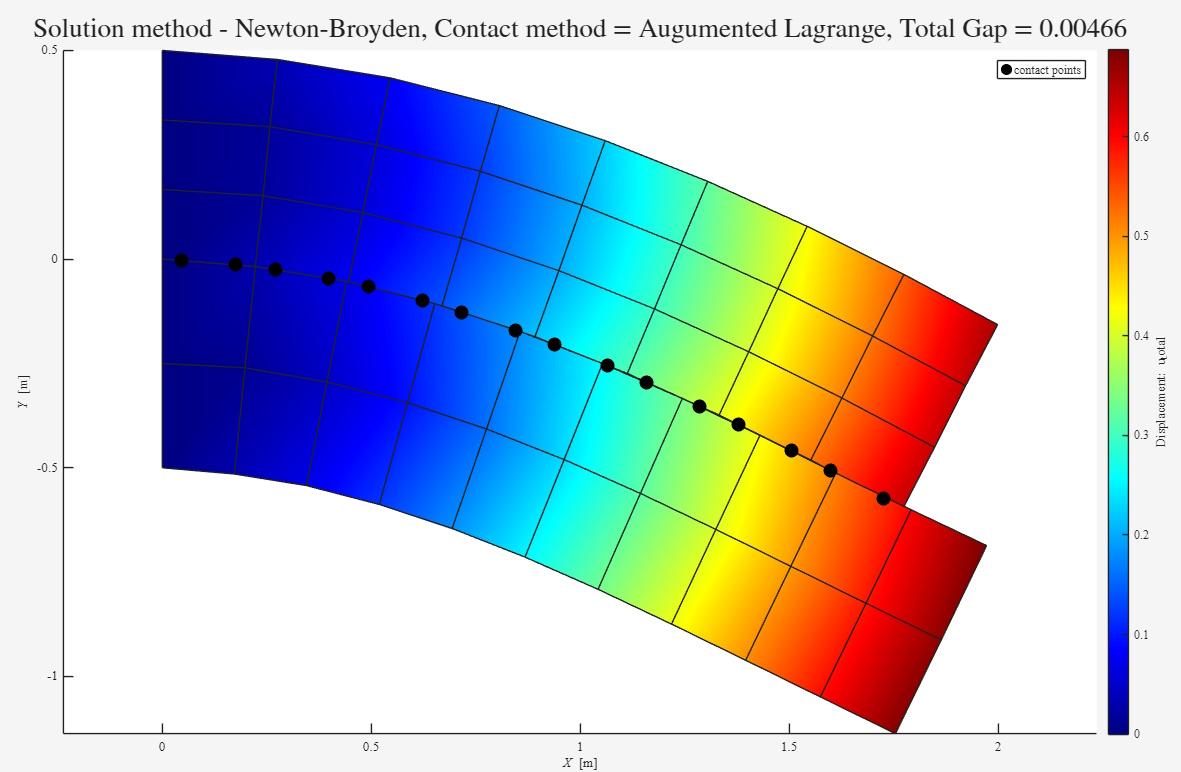
When two objects interact, a contact may occur. Such interactions are present in countless applications, ranging from car tires on roads and human joints during movement to robotic grippers handling objects. That is why understanding and simulating contact is essential in many fields of engineering. Despite advances in computing power and numerical methods, contact remains one of the most challenging…
Open-source implementation of a combustion model with novel improvements to the PaSR formulation
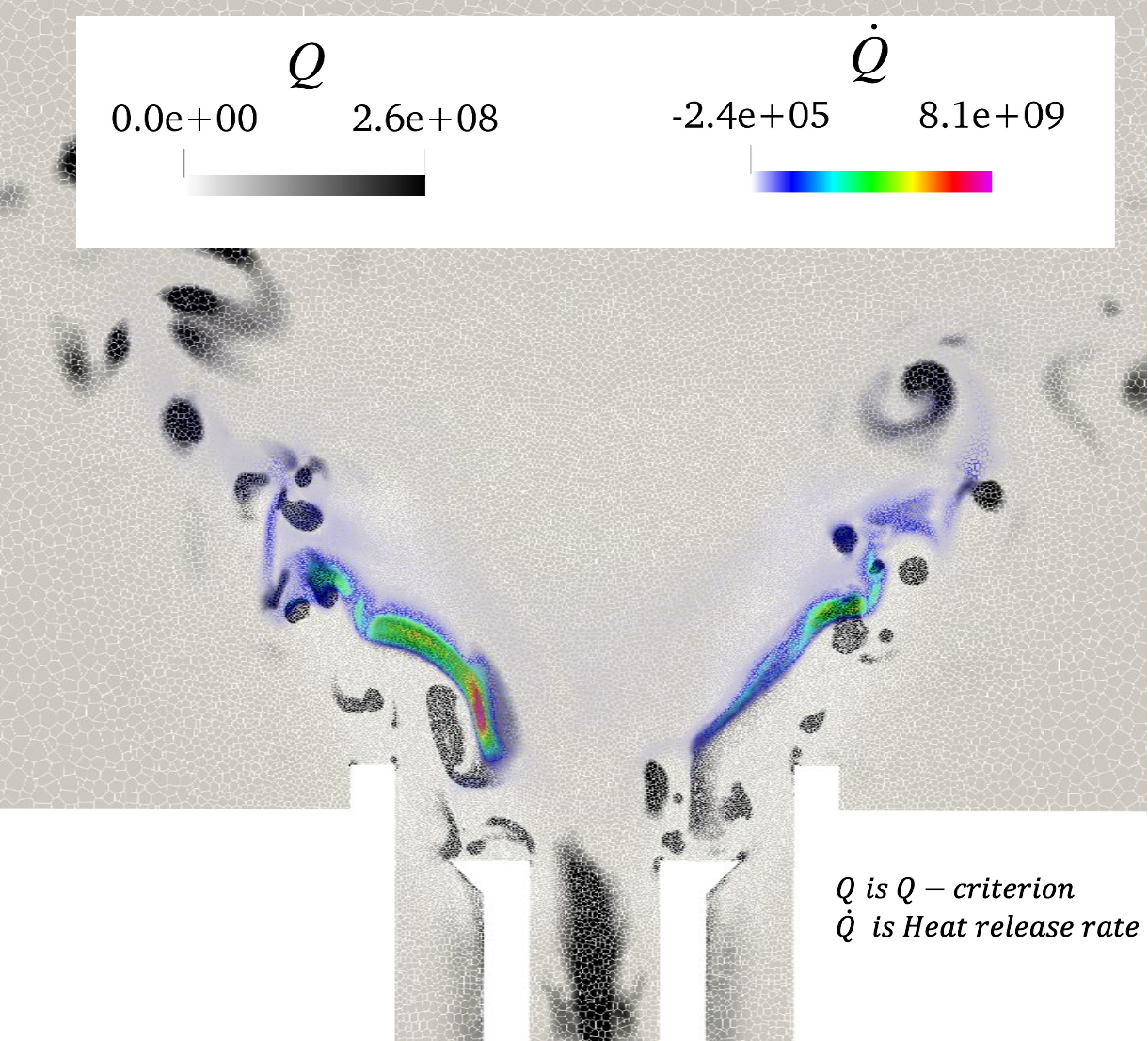
Burning fuel in industrial applications—like an engine or a furnace—is rarely calm and simple. Instead, the flames are often chaotic (turbulent), and inside them, the flow of gases and the chemical reactions that release heat are constantly influencing each other in complicated ways. This makes it very hard for computers to predict exactly what will happen. The core challenge comes…